CO₂ Emissions in Logistics: The Scale of the Problem, Global Examples, and the Real Potential for Decarbonization
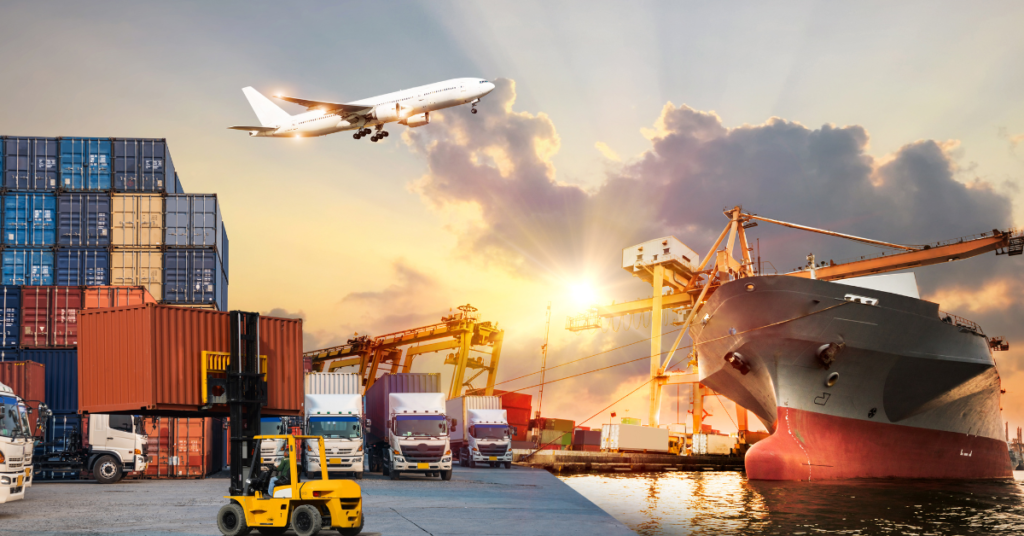
Transport and logistics (the TSL sector) have long been a foundation of the European and global economy. They ensure the efficient functioning of supply chains, enable product exports, support customer service, and drive the development of services. However, CO₂ emissions in logistics now represent one of the most serious climate challenges facing Europe.
It is precisely within the transport sector that emissions continue to rise, while most other parts of the economy are recording declines. Compared with sectors such as industry, energy, or buildings, logistics requires the most intensive and targeted actions to achieve sustainability and climate goals.
In 2019, transport emissions in the EU were 33.5% higher than in 1990, highlighting the growing scale of the problem. The majority of these emissions come directly from the combustion of gas and petroleum-based fuels, as well as from the operation of millions of cars, trucks, and buses. The challenge is compounded by the fact that traditional road transport accounts for the largest carbon footprint across the entire supply chain.
Why Does Logistics Generate Such a Large Carbon Footprint?
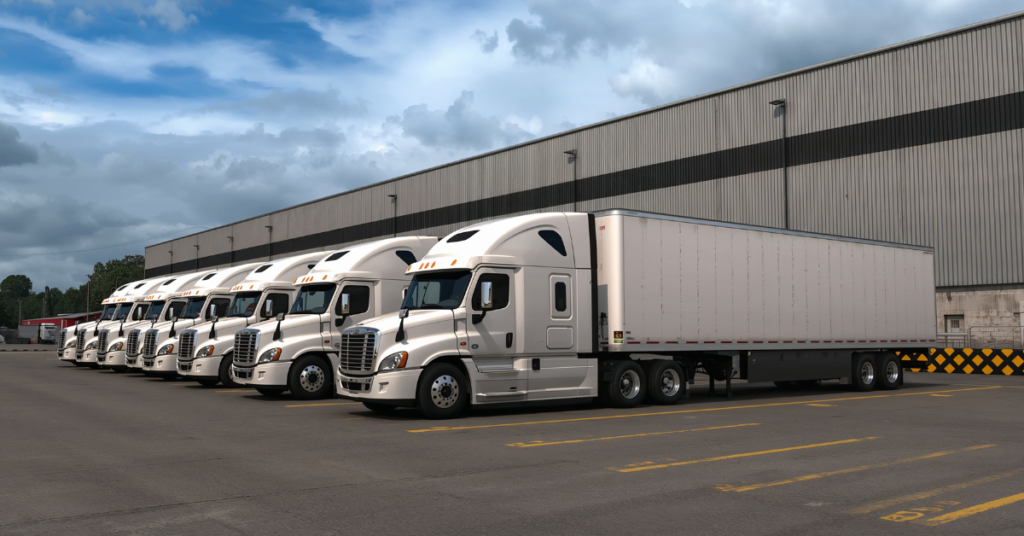
The primary source of emissions remains road transport, dominated by freight trucks and light commercial vehicles powered by fossil fuels. In 2024, as much as 66.7% of fuel consumed in EU road transport was diesel, with a further 24.55% coming from gasoline. A similar pattern is observed in Poland, where diesel accounts for 63% of road transport fuel consumption, gasoline for 22%, and LPG for 9%.
The scale of emissions in Poland continues to grow. Since 1990, transport-related emissions have increased from 20 million tonnes of CO₂ to nearly 68 million tonnes in 2023. Over the same period, the number of registered vehicles rose from 9 million to almost 36 million, while the expansion of road infrastructure—including motorways and expressways—enabled further growth in traffic volumes. Today, road transport accounts for 24% of Poland’s total emissions, and more than 99% of transport-sector emissions in Poland come directly from fuel combustion in vehicles.
The growing importance of electromobility also brings new challenges. As the number of electric vehicles increases, so does demand for electricity, which, according to forecasts could reach 34 TWh in Poland by 2050.

Which EU Regulations Are Accelerating the Green Transition?
The European Union has introduced a comprehensive legislative package known as “Fit for 55,” which aims to achieve climate neutrality by 2050. One of the most high-profile elements of this framework is the ban on the sale of new cars emitting CO₂ from 2035 onward, intended to gradually phase out internal combustion engine vehicles in the following years.
The EU has also established a new emissions trading system (ETS II) covering road transport and buildings. For the first time, these sectors are subject to emissions pricing mechanisms similar to those long applied in the energy sector. The changes are comprehensive, encompassing new reduction thresholds as well as binding timelines for the implementation of national targets. For Poland, this means a requirement to reduce emissions in the transport, buildings, agriculture, and waste sectors by 17.7% by 2030, more than doubling previous obligations.
The EU’s objective is not only to cut emissions but also to ensure a fair and economically viable distribution of transition costs among Member States. Transport must shift toward low- and zero-emission solutions, with financial and regulatory instruments designed to enforce and accelerate this transformation.
How Can Emissions in Logistics Be Reduced in Practice?
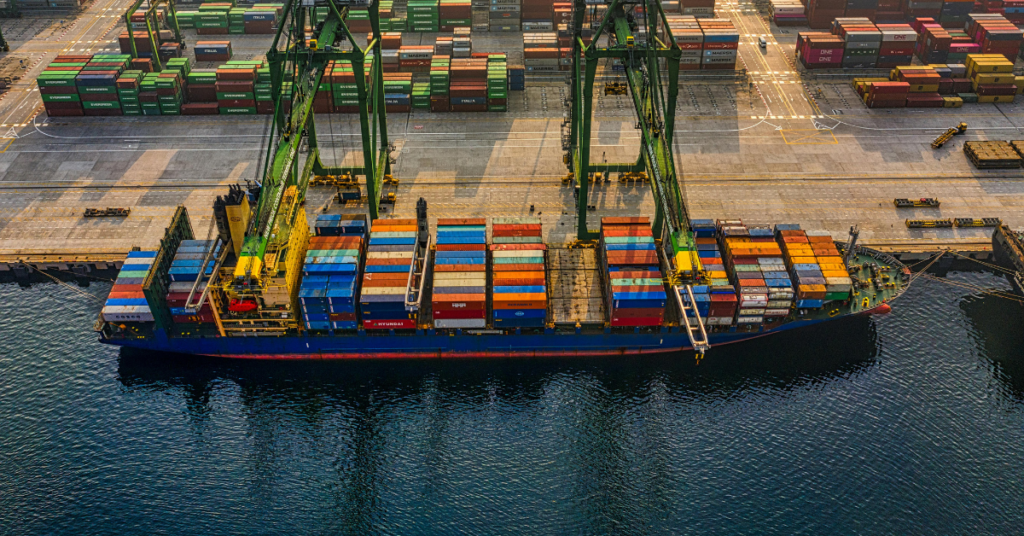
Logistics decarbonization can take place at multiple levels—from investments in new technologies to organizational improvements within existing supply chains. Importantly, some of the most effective measures do not require costly infrastructure investments, but rather better planning and smarter use of data.
One of the fastest and most cost-effective ways to reduce emissions is route optimization and improved load utilization. Better route planning, avoiding empty runs, and maximizing vehicle fill rates directly reduce fuel consumption and, in turn, CO₂ emissions. In practice, this means that the same volume of goods can be transported with fewer trips.
Closely linked to this approach is load consolidation and the use of LTL (Less Than Truckload) solutions instead of multiple partial shipments. Combining shipments from different customers into a single vehicle significantly reduces the number of trips, improves fleet efficiency, and lowers the carbon footprint per shipment. For many companies, this also translates into lower operating costs and improved ESG performance.
Another highly impactful method of emissions reduction is modal shift, meaning the transfer of transport from the most carbon-intensive modes—such as aviation or road transport—to rail or maritime transport. Practical examples show that changing a transport route between Munich and Singapore via the Port of Koper instead of Rotterdam reduced emissions by as much as 26%. In the longer term, replacing road and air transport with rail or sea transport can cut emissions by up to 90%.
Digitalization of logistics is also playing an increasingly important role. Advanced TMS systems, AI-based solutions, and predictive analytics enable companies to monitor fleet utilization, select the least carbon-intensive routes, simulate transport scenarios, and accurately calculate emissions in line with standards such as the GLEC Framework, ISO 14083, and the GHG Protocol.
Which New Propulsion Technologies Could Transform Transport?
Transport decarbonization also requires a shift away from fossil fuels. In logistics, three main pathways are being developed in parallel:
Biofuels
Their key advantage is that they can be used within existing fleets and infrastructure. Biofuels are produced from biomass, waste oils, or organic feedstocks. Over their life cycle, they can be close to carbon-neutral, as the CO₂ released during combustion corresponds to the amount absorbed during feedstock growth. Their main limitation is availability, which depends on feedstock supply.
Synthetic fuels (e-fuels)
These fuels are produced from water, captured CO₂, and electricity. If the electricity comes from renewable energy sources, e-fuels can be climate-neutral. In the future, they may play a crucial role in sectors that are difficult to electrify, such as aviation, shipping, and heavy-duty road transport.
Electric vehicles and hydrogen
One of the key pillars of logistics decarbonization is fleet electrification, particularly in urban, regional, and last-mile transport. Electric trucks can almost entirely eliminate tailpipe emissions, noise, and local air pollution. As electricity grids become increasingly decarbonized, their life-cycle carbon footprint will continue to decline.
At the same time, hydrogen technologies are being developed in parallel and may play a critical role in long-distance and heavy-duty transport. In Poland, plans include the deployment of 25 publicly accessible hydrogen refueling stations by 2026, laying the groundwork for the development of this market segment.
What Do We Know About CO₂ Capture Technologies?
While logistics can significantly reduce emissions through optimization and new propulsion technologies, not all processes can be fully decarbonized. As a result, carbon capture and storage (CCS) and carbon capture and utilization (CCU) technologies are becoming increasingly important.
These solutions are particularly critical for hard-to-abate industrial processes, such as steel and cement production or the manufacturing of synthetic fuels. In the longer term, they may also support the logistics sector—for example, by capturing CO₂ that is later used in the production of e-fuels.
What is Insetting? A new standard for emissions reporting in logistics
For many years, companies have been striving for climate neutrality by using offsetting, i.e., purchasing carbon credits for investments made outside their own supply chain, such as wind farms or reforestation projects. Currently, there is a growing trend toward insetting, i.e., physically reducing emissions within one’s own logistics operations.
Insetting allows for the accounting of emission reductions resulting from the actual replacement of fossil fuels with low-carbon fuels, such as biofuels. This system complies with GLEC, ISO 14083, and GHG Protocol standards and enables auditable reporting. For example, a company can show that its gross emissions were 1,000 tons of CO₂, but thanks to the use of biofuels, they were reduced to 700 tons, which is a 30% real reduction.
This is a fundamental change that shifts the focus from symbolic actions to the actual decarbonization of logistics processes.
Global Perspective – Transport as a Key Source of CO₂ Emissions
Globally, the transport sector accounts for a significant share of greenhouse gas emissions, with its contribution to global CO₂ comparable to levels observed in Poland. Transport generates more than 8 billion tonnes of CO₂ annually, representing around 16% of total global greenhouse gas emissions, placing it among the three largest emitting sectors alongside energy production and industry. Transport-related emissions have increased by nearly 79% since 1990, reflecting rising mobility, the growth of international trade, and increasing demand for passenger and freight transport.
Road transport remains the dominant source of emissions, accounting for the majority of this footprint, particularly in developed economies and emerging markets. The rapid growth of emissions—especially in Asia and North America—highlights the global challenge of transforming transport systems toward low-emission and renewable-based logistics models.
Will Green Logistics Help Reduce the Carbon Footprint?
Transport and logistics face one of the greatest decarbonization challenges in Europe and globally. At the same time, this sector offers enormous potential for rapid and measurable emissions reductions.
The market dimension is also becoming increasingly clear: companies that implement green logistics are becoming more attractive to customers—especially those reporting under ESG frameworks, operating globally, or subject to regulatory pressure. Sustainable transport is no longer an optional add-on; it is becoming a prerequisite for cooperation.
The success of the transition will depend on:
the use of new fuels and technologies,
route optimization and improved load utilization,
fleet electrification and infrastructure development,
digitalization and auditable emissions reporting,
cooperation across the entire value chain.
What Benefits Does Transport Decarbonization Deliver?
Decarbonization is not driven solely by regulatory requirements. Increasingly, customers and business partners expect companies to demonstrate:
real reductions in their carbon footprint,
a clear ESG action plan,
sustainable service development,
a tangible contribution to environmental protection.
Companies that implement environmentally friendly solutions can gain:
lower fuel costs,
higher margins,
stronger competitive advantage,
new customers,
attractive investment opportunities,
an improved corporate image,
compliance with reporting standards.
Importantly, all these actions deliver real cost savings—not just a change in marketing narrative.
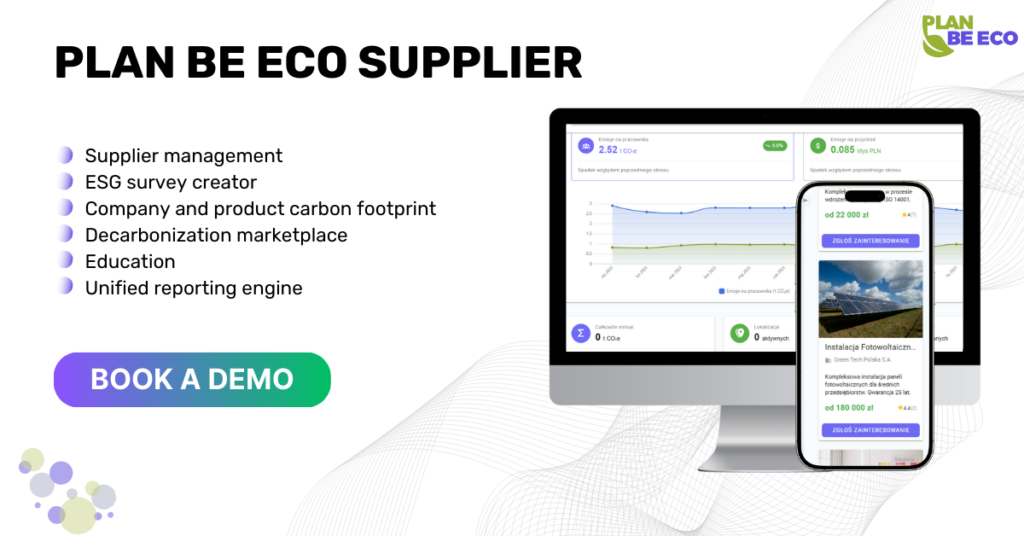
How to Approach Transport Decarbonization
1. Understand Your Carbon Footprint
Gain full transparency over transport-related emissions by using modern tools for fast calculations and clear reporting of emission sources.
2. Set CO₂ Emissions Reduction Targets
Define realistic, measurable emissions reduction targets aligned with regulations and your company’s strategy to provide clear direction and enable progress tracking.
3. Identify Key Emissions Levers
Focus on the areas generating the highest emissions—routes, transport modes, fuels, suppliers—and identify actions with the greatest reduction potential.
4. Evaluate Impact
Assess the impact of planned measures on emissions, costs, operations, and service quality by comparing different scenarios to select the most effective solutions.
5. Implement Actions
Put emissions-reduction measures into practice, such as route optimization, alternative fuels, fleet electrification, or cooperation with low-emission carriers, while monitoring results and reporting progress.
6. Expand Across the Entire Value Chain
Extending decarbonization efforts across the full value chain enables scalable emissions reductions, greater transparency, and long-term, lasting results.
Summary – Logistics as a Real Engine of Decarbonization
CO₂ emissions in logistics represent one of the greatest climate challenges of the 21st century, yet they also offer exceptional potential for reduction. Route optimization, load consolidation, fleet electrification, modal shift, and insetting make it possible to cut emissions immediately—without waiting for breakthrough technologies.
Transport decarbonization is no longer driven solely by EU regulations. It has become a source of competitive advantage, a prerequisite for cooperation with global partners, and a real opportunity to reduce operating costs. Companies that take action today will gain an advantage tomorrow—both climate-related and business-driven.
FAQ – frequently asked questions about CO₂ emissions in logistics
Does route optimization really matter for the climate?
Yes. Better route planning and the elimination of empty runs can significantly reduce fuel consumption and CO₂ emissions without investing in a new fleet.
What is LTL and why does it reduce emissions?
LTL (Less Than Truckload) involves combining shipments from multiple customers in a single vehicle. It reduces the number of trips and lowers the unit carbon footprint of transport.
Are electric trucks already profitable?
In urban and regional transport – increasingly so. Lower energy and maintenance costs and public support are improving their competitiveness.
Does green logistics really influence customer decisions?
Yes. More and more companies require their partners to provide emissions data and ESG compliance. Green logistics is becoming a prerequisite for participation in supply chains.
Is CCS a solution for logistics?
Indirectly, yes. CO₂ capture technologies are key to decarbonizing industry and producing synthetic fuels that could power transportation in the future.
Sources:
Decarbonizing Supply Chain Logistics Research Report 2025
https://www.globenewswire.com/news-release/2025/09/22/3154109/0/en/Decarbonizing-Supply-Chain-Logistics-Research-Report-2025-Six-Key-Energy-Transition-Technologies-and-Strategies-That-Have-the-Potential-to-Decrease-Emissions.htmlDHL Sustainable Logistics – Knowledge Hub
https://www.dhl.com/pl-pl/home/sustainability/knowledge-hub.htmlDHL Supply Chain inwestuje w zieloną flotę
https://news.europawire.eu/dhl-supply-chain-invests-e200-million-to-transform-fleet-with-greener-alternatives/DSV – Dekarbonizacja logistyki
https://www.dsv.com/pl-pl/o-nas/dla-mediow/aktualnosci/pl/2024/10/dekarbonizacja24% emisji CO₂ pochodzi z logistyki
https://www.logistyka.net.pl/bank-wiedzy/item/94694-24-emisji-co2-pochodzi-z-logistykiJak zmniejszyć emisje CO₂ w logistyce – Rzeczpospolita
https://logistyka.rp.pl/wizja-przyszlosci/art19056331-jak-zmniejszyc-emisje-co2-w-logistyceCzy dekarbonizacja i ESG są dla logistyki „błękitnym oceanem”?
https://logistyka.rp.pl/wizja-przyszlosci/art40193831-czy-dekarbonizacja-i-esg-sa-dla-logistyki-blekitnym-oceanemReuters – Climate & Energy: Transport and Logistics
https://www.reuters.com/sustainability/climate-energy/Carbon Monitor – Global CO₂ Emissions Dataset
https://arxiv.org/abs/2006.07690Emisje CO2 z samochodów: fakty i liczby (infografiki) | Tematy | Parlament Europejski

